Table of Contents (14 sections)
Enjoying a wine tasting at home can be a delightful way to explore new flavors and deepen your appreciation of wine. This guide will help beginners host a successful session with confidence.
Step 1: Understanding the Basics of Wine Tasting
Wine tasting involves assessing wine's appearance, aroma, taste, and finish. Focus on these elements:
- Appearance: Observe the color and clarity. Whites can range from very pale to golden, reds from light to dark purple.
- Aroma: Swirl the wine to release its aroma. Try identifying fruits, flowers, or spices.
- Taste: Note the balance of sweetness, acidity, tannin, and alcohol.
- Finish: Consider how long the flavor lingers. A long finish is usually a sign of quality.
Understanding these basics can enhance your enjoyment and discussion during the tasting.
Step 2: Choosing the Right Wines
For a beginner session, choose a variety of styles, such as:
- Sparkling: A refreshing start that cleanses the palate.
- White: Include both sweet (like Riesling) and dry (like Sauvignon Blanc) options.
- Red: Select from light-bodied (like Pinot Noir) to full-bodied (like Cabernet Sauvignon).
- Dessert Wine: Finish on a sweet note with a port or late harvest.
Storage Tips
Store wines at appropriate temperatures: whites generally at 45-50°F and reds at 55-65°F.
Step 3: Setting Up Your Tasting Space
Consider the ambiance—dim lighting and subtle music create a cozy environment. Use:
- Wine glasses: Each type of wine benefits from its own glass to enhance features.
- Water and neutral palate cleansers: Provide water and crackers or bread to cleanse the palate between tastings.
Checklist for Setup
- [ ] Arrange glasses
- [ ] Provide water & palate cleansers
- [ ] Set the ambiance
Step 4: The Tasting Process
Begin with lighter wines, progressing to heavier ones. Encourage guests to:
- Observe
- Smell
- Taste
- Discuss
Guide them to recognize different flavors and aromas. Consider using a flavor wheel to identify aromas and tastes.
Step 5: Engage Your Guests
Foster an interactive session with engaging activities:
- Blind tasting: Test if guests can identify specific wines without seeing the label.
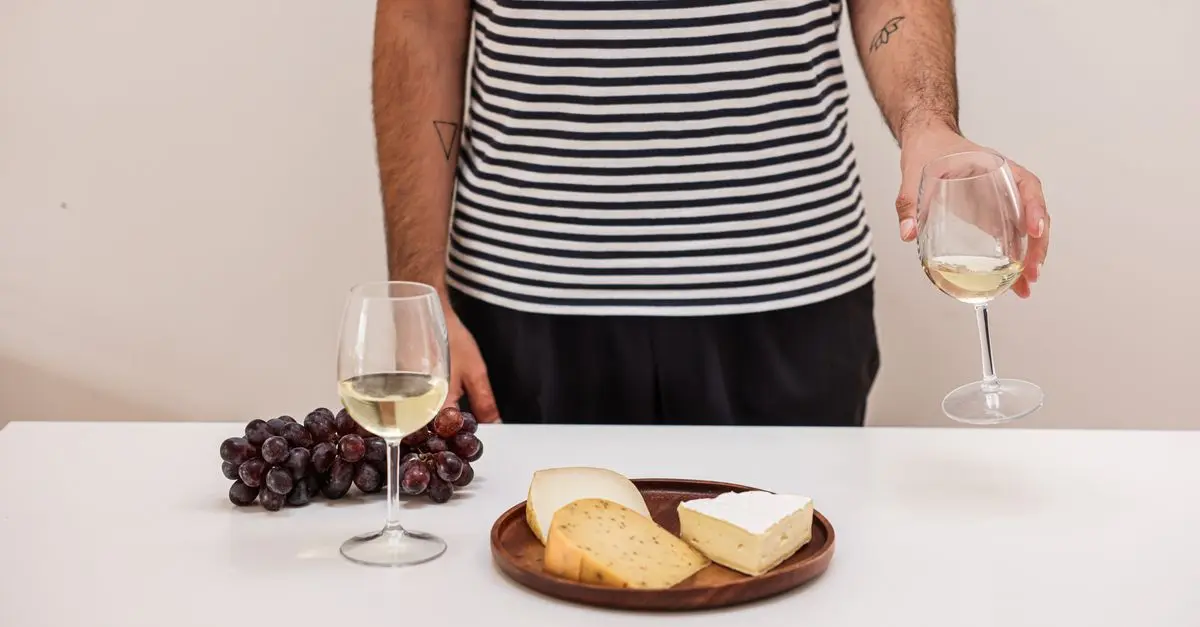
- Wine pairing challenge: Invite guests to bring cheeses or dishes they think pair well with a wine.
💡 Expert Tip: Encourage casual discussion; the goal is to enjoy the experience!
Step 6: Evaluating and Concluding
End the session by discussing favorites. Provide a rating sheet for guests to note their thoughts about each wine.
Self-Evaluation
Encourage guests to self-reflect on what they enjoyed most, and what surprised them.
- [ ] Write personal notes
- [ ] Share favorite wine
Glossary
| Terme | Définition |
|---|---|
| Tannin | A compound in wine from the skins, seeds, and stems of grapes affecting dryness. |
| Aroma | The scent of the wine, indicating specific fruit, flower, or other notes. |
| Body | The weight or viscosity of wine, indicating its richness. |
Checklist avant dégustation
- [ ] Verify wine storage
- [ ] Prepare tasting area
- [ ] Invite guests
- [ ] Print rating sheets
- [ ] Select a good variety of wines
Conclusion
Hosting a wine tasting at home is a rewarding experience that brings friends together for enjoyable conversations and discoveries. Remember, it's about fun and exploration and there are no wrong answers when it comes to personal taste.
🧠 Quiz rapide : What is the effect of tannins in wine?
- A) Sweetness
- B) Dryness
- C) Acidity
Réponse : B — Tannins contribute to the dryness of wine.
📺 Pour aller plus loin :
How to Taste Wine Like a Pro, a detailed analysis of wine tasting techniques. Recherchez sur YouTube : "beginner wine tasting tips".