Table of Contents (12 sections)
Contents :
Introduction
In the rapidly evolving realm of digital leisure, the debate of virtual reality vs augmented reality continues to captivate enthusiasts. Both technologies transform how we engage in leisure activities, but which one reigns supreme for relaxation and fun? Dive into our analytical exploration to uncover the answers.
Understanding Virtual Reality and Augmented Reality
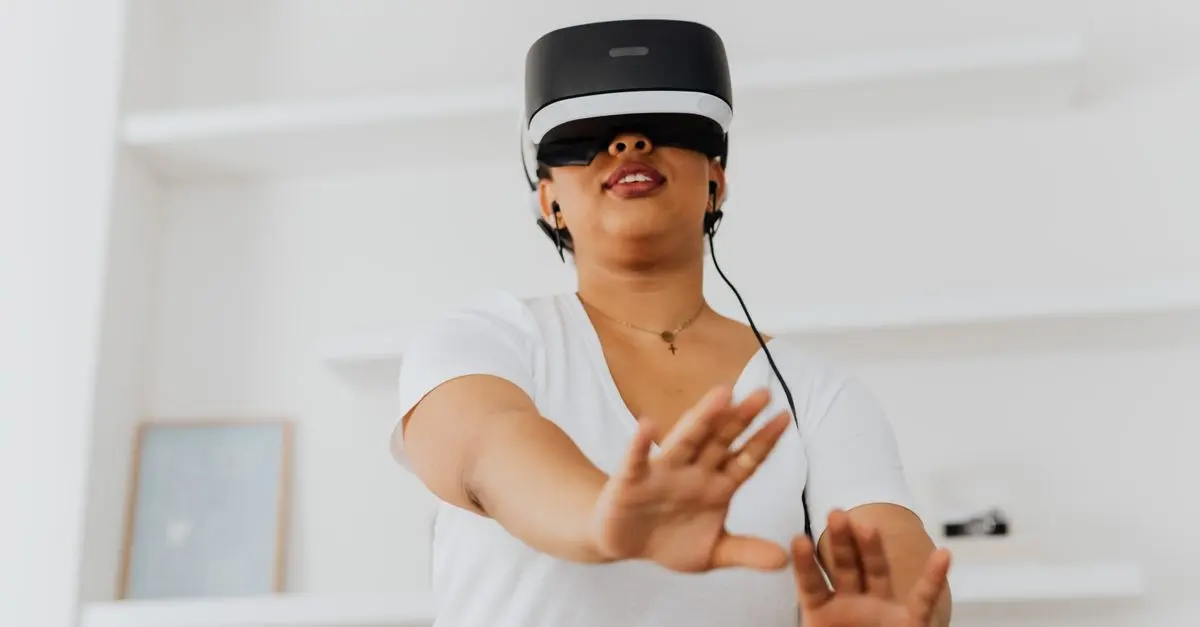
Virtual Reality (VR) immerses users in a completely digital world, utilizing headsets like Oculus Rift or HTC Vive. This technology allows users to experience environments either generated entirely in a computer or based on the real world, offering an escapade from reality itself.
Augmented Reality (AR), contrarily, enhances the real-world environment by overlaying digital information through devices such as smartphones or AR glasses. Pokémon GO is a prime example of AR meeting leisure by blending digital elements within real-world settings.
Both technologies present unique opportunities and challenges in leisure spaces. VR offers complete immersion, blocking out the real world. AR, however, adds to the reality around us, improving or altering one's surroundings. Understanding these nuances is crucial when considering their application in leisure.
Immersion Level
The sheer level of immersion that VR offers is unparalleled. Imagine putting on a headset and suddenly finding yourself in the midst of the Serengeti, observing wildlife up-close without ever leaving your home. This deep level of immersion is what makes VR a favorite for those looking to escape.
On the contrary, AR adds layers of information on top of the real world. It can transform a mundane walk in the park by adding a fantasy layer or providing historical context overlayed next to landmarks. This subtle enhancement makes AR less intrusive yet still highly engaging, particularly for users seeking a mixed reality experience.
When it comes to immersion, VR provides a more isolating experience, ideal for those who want a 'getaway'. Meanwhile, AR excels in blending enhancement with reality, ideal for environments where users want to stay present.
Accessibility and User-Friendliness
VR systems like the PlayStation VR require dedicated space and equipment, limiting accessibility due to cost and setup complexity. Users must own specific devices and have ample physical space to fully enjoy VR experiences, which can be a barrier for many.
In contrast, AR thrives on accessibility thanks to its ability to function on smartphones and tablets, platforms most users already possess. Popular applications like Snapchat filters showcase AR’s simplicity, instantly accessible to millions globally.
The learning curve for AR is also gentler. Users can start small with apps and expand into wearables as they grow comfortable. Therefore, AR is often viewed as more user-friendly and accessible for everyday use, especially for beginners.
Cost and Equipment
Investing in VR can be significant. High-end headsets, motion sensors, and potentially gaming PCs elevate costs. Although there are budget-friendly options like the Google Cardboard, these often deliver a less integrated experience.
AR doesn't always demand direct investment in new devices. It capitalizes on existing technology, with costs primarily centered around app purchases or premium features. The introduction of more affordable AR glasses is anticipated to narrow this cost gap further.
For those budget-conscious or just starting, AR presents a cost-effective entry into the world of enhanced reality experiences.
Social Interactivity
VR can be a solitary venture, as users are immersed in their scripted digital worlds. Although some platforms enable social interaction within shared virtual environments, barriers such as geographical constraints and device compatibility persist.
Conversely, AR encourages social interactivity. It enhances shared experiences by integrating itself into outdoor and public settings. Apps like Google's AR Maps enable collaborative explorations, providing real-time navigation inputs and landmark identifications.
For leisure activities prioritizing shared experiences, AR offers enhanced social interaction, fostering community engagement avenues.
Leisure Experience Comparison
| Criterion | Virtual Reality (VR) | Augmented Reality (AR) | Verdict |
|---|---|---|---|
| Immersion Level | Full environmental immersion, completely digital | Real-world enhancement, digital overlays | VR for full escape; AR for interactive enhancement |
| Accessibility | Requires dedicated equipment like headsets | Functions on smartphones and existing devices | AR is more accessible and user-friendly |
| Cost | High initial investment; devices may be costly | Low to medium; app-based, uses existing devices | AR is more cost-effective |
| Social Interactivity | Primarily a solitary experience | Encourages social engagement | AR fosters better collective experiences |
Final Verdict
In the debate over virtual reality vs augmented reality for leisure, the answer isn't black and white. VR is a gateway to complete immersion, perfect for those craving an escape. However, AR seamlessly overlays creative elements onto real-world environments, making it better for shared and accessible experiences.
For vehement explorers of new worlds, VR might be the better match. Those desiring enhancements to everyday life or shared activities should lean towards AR.
💡 Avis d'expert: If you're new to immersive technologies, begin with AR for its approachable entry. As you become more acquainted, exploring VR can be a compelling next step.
📺 Video Resource
> 📺 For more: Virtual Reality and Augmented Reality Explained in 2026: a comprehensive analysis of this evolving tech. Search YouTube: "VR vs AR 2026"
- What is the main difference between AR and VR?
AR enhances the real world with digital overlays, while VR creates a fully immersive, digital environment.
- Is VR more expensive than AR?
Typically, yes. VR often requires purchasing specialized equipment, while AR utilizes existing devices like smartphones.
- Can VR be used for social activities?
Although more solitary, VR has social platforms for shared environments, albeit less naturally than AR.
- Which is better for kids, VR or AR?
AR is generally more suitable due to its safety and simplicity, needing just a smartphone or tablet.
Glossary
| Term | Definition |
|---|---|
| Virtual Reality (VR) | Technology that creates a fully immersive digital environment. |
| Augmented Reality (AR) | Technology that overlays digital information onto the real world. |
| Immersion | The depth of engagement and realism experienced in a virtual environment. |
Checklist Before Choosing
- [ ] Assess available budget for initial equipment investment.
- [ ] Consider the physical space requirements for VR setups.
- [ ] Evaluate the level of social interaction desired.
- [ ] Identify which technology aligns more with leisure objectives.
- [ ] Verify device compatibility with chosen technology applications.
🧠 Quiz rapide: Are AR applications more accessible than VR for beginners?
- A) Yes
- B) No
- C) They are the same
Réponse: A — AR applications function on devices like smartphones, making them more accessible.