Table of Contents (9 sections)
Home brewing is a fascinating hobby that allows enthusiasts to create their own beer with unique flavors and styles. In this comprehensive guide, we will explore the essential components of home brewing, offering you the foundation needed to start your brewing journey.
What is Home Brewing?
Home brewing is the process of making beer, cider, or other alcoholic beverages at home. It has gained popularity due to the creative freedom it provides individuals to experiment with different ingredients and brewing techniques. According to The American Homebrewers Association, there are over 1.1 million home brewers in the U.S., as of 2025, engaging in this rewarding activity. The appeal lies not only in crafting personalized beverages but also in the deeper understanding it offers of the beer-making process.
Home brewing kits, available from brands such as Brewer's Best and Northern Brewer, provide beginners with the necessary tools and ingredients to get started. These kits typically include malt extract, hops, and yeast, allowing users to produce a simple batch of beer.
💡 Avis d'expert : "Home brewing fosters creativity and customization, allowing brewers to experiment with flavors that are not typically found in commercial beers." – James Spencer, host of Basic Brewing Radio.
Steps to Brew Beer at Home
Brewing beer at home involves several key steps that require attention to detail to ensure a successful outcome. Here's a simplified step-by-step guide:
- Prepare your equipment: Ensure you have all necessary tools, including a fermenter, airlock, siphon, and bottles. Sanitization is crucial to avoid contamination.
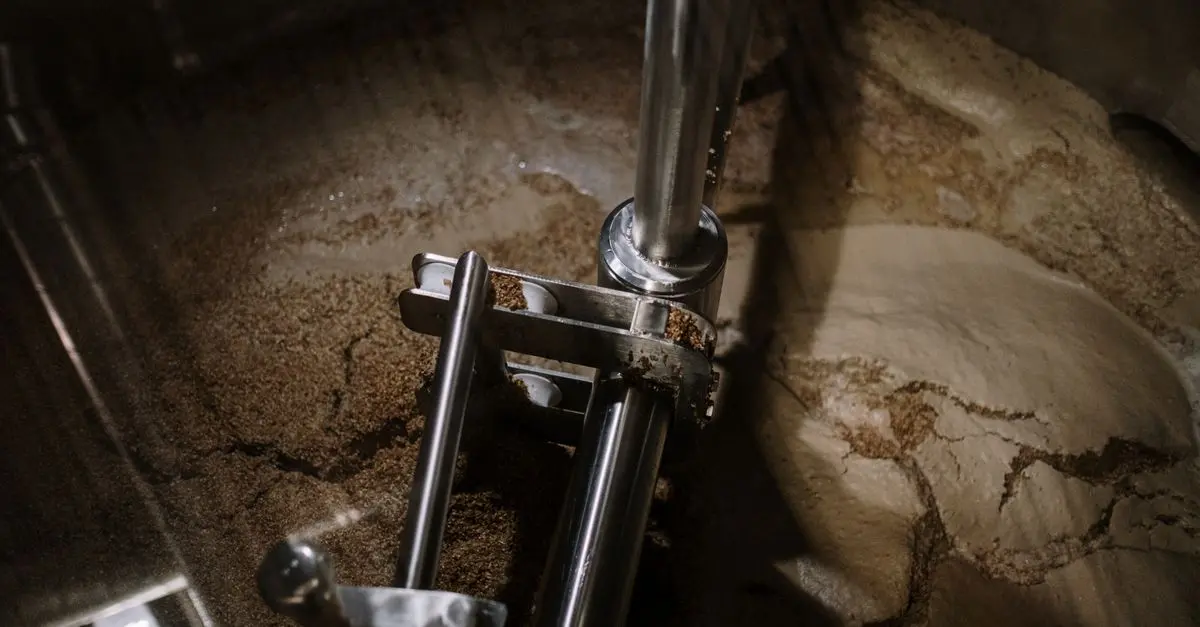
- Boil the wort: Mix malt extract with water and boil. Hops are added at various points to achieve the desired bitterness.
- Fermentation: After boiling, the wort is cooled and transferred to a fermenter where yeast is added. fermentation typically lasts one to two weeks.
- Bottling: Once fermentation is complete, the beer is siphoned into bottles and capped, often adding a small amount of sugar to carbonate.
- Aging and Enjoying: Store your bottles in a cool, dark place to let the flavors develop. After a few weeks, your beer will be ready to enjoy.
Key Components Compared
Here's a basic comparison of essential home brewing components:
| Component | Function | Cost Range | Typical Brands |
|---|---|---|---|
| Malt | Creates wort | $5-$15/lb | Brewer's Best, Muntons |
| Hops | Adds bitterness | $1-$3/oz | Yakima Chief, Hops Direct |
| Yeast | Fermentation agent | $3-$10/package | Safale, White Labs |
| Fermenter | Fermentation vessel | $30-$100 | Fermonster, FastFerment |
Interest in home brewing has seen significant growth in recent years. According to Statista, the global home beer brewing equipment market was valued at approximately $58 million in 2024, with North America holding a significant share. Technology advancements, such as smart brewing systems from companies like PicoBrew, cater to tech-savvy brewers looking for precision and ease.
However, traditional methods remain popular among enthusiasts who prefer the hands-on experience. The rise of online brewing communities also allows hobbyists to share tips and recipes, fostering a supportive environment for newbies and veteran brewers alike.
- How much does it cost to start home brewing?
Starting costs can vary, but a beginner's kit typically ranges from $50 to $150.
- How long does it take to brew beer at home?
The entire process can take about 4 to 6 weeks from brewing to drinking.
- Can you legally brew beer at home?
Yes, home brewing is legal in the U.S. but regulations may vary by state.
- What is the hardest part of home brewing?
Many brewers find temperature control during fermentation challenging.
📺 Resource Video
📺 For further exploration: How to Brew Beer at Home – Beginner's Guide, a step-by-step video on the entire brewing process. Search YouTube: "home brewing tutorial".
Glossaire
| Terme | Définition |
|---|---|
| Wort | The liquid extracted from the mashing process that contains the sugars for fermentation. |
| Fermentation | The process where yeast turns sugars into alcohol and carbon dioxide. |
| Carbonation | The process of dissolving carbon dioxide in liquid, giving beer its fizz. |
- [ ] Verify you have all brewing equipment
- [ ] Sanitize all tools and surfaces
- [ ] Double-check recipe ingredients
- [ ] Monitor fermentation temperature
- [ ] Plan storage for finished beer
🧠 Quiz rapide : What's the main role of hops in beer?
- A) Add carbonation
- B) Add sweetness
- C) Add bitterness
Réponse : C — Hops primarily add bitterness to balance the sweetness of the malt.