Table of Contents (12 sections)
Photography is an art that involves capturing moments and emotions in time. Understanding different photography techniques is crucial for improving your skills. Photography techniques refer to the methods and tools used to take photographs under various conditions to achieve the desired outcome. Techniques vary widely, from composition and lighting to settings and editing. Grasping these techniques enables photographers to convey their vision more effectively and distinguish themselves in a saturated field.
Steps to Enhance Your Photography Skills
Step 1: Mastering the Basics of Composition
- Rule of Thirds: This classic technique involves dividing your frame into thirds, both horizontally and vertically, and placing the subject along these lines or at their intersections. It helps create a balanced and engaging photo.
- Leading Lines: Use natural lines to guide the viewer's eyes to the subject and create depth. Pathways, roads, and rivers are excellent for this technique.
Step 2: Understanding Lighting Conditions
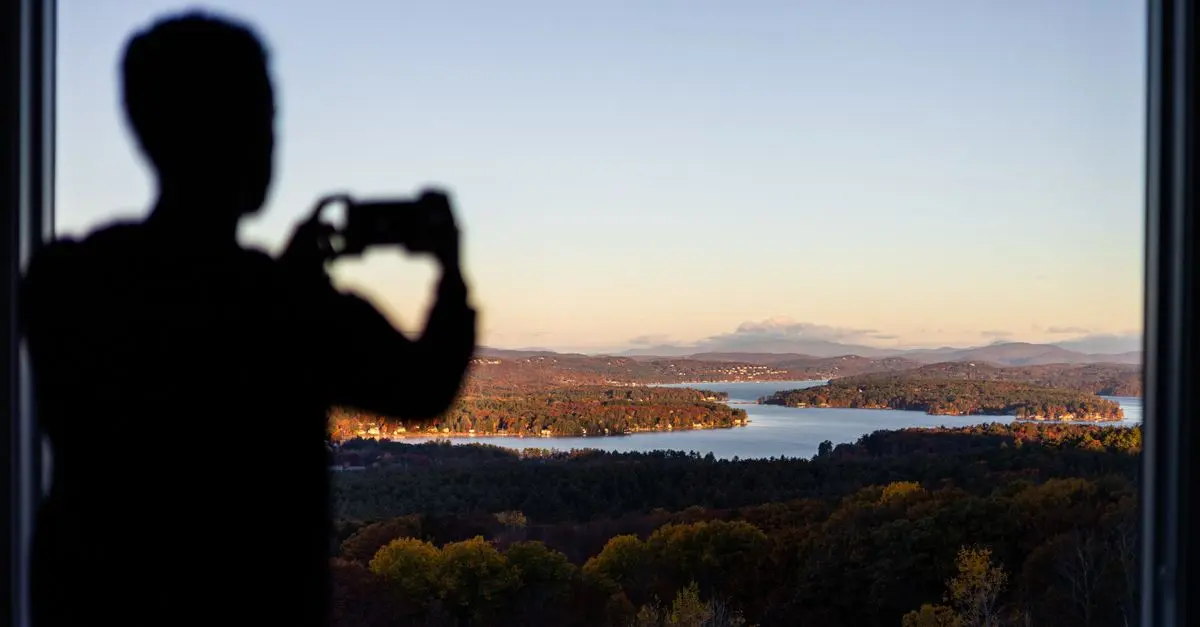
- Golden Hour Photography: The golden hour, just after sunrise and before sunset, provides soft, warm lighting. It's perfect for capturing landscapes or portraits with a dreamy quality.
- Using Reflectors: These tools help modify light, adding warmth or reducing harsh shadows. Knowledge of lighting variations boosts your photos' appeal.
Step 3: Mastering Camera Settings
- Aperture Priority Mode: Start mastering depth of field by using this mode, allowing the camera to automatically adjust shutter speed while you control aperture.
- Exposure Triangle: Understanding the relationship between ISO, aperture, and shutter speed is vital. A balance of these settings achieves the perfect exposure.
Step 4: Harnessing Post-Processing Tools
- Photo Editing Software: Software like Adobe Lightroom or Photoshop helps enhance photos by adjusting colors, white balance, and more. Post-processing is essential for professional-grade images.
- Avoid Over-editing: While editing can enhance images, over-editing can lead to loss of detail and unnatural results. Aim for subtlety and maintain authenticity.
Step 5: Continuous Learning and Experimentation
- Join Photography Clubs: Engage with communities to exchange ideas, gain inspiration, and receive feedback. Flickr or Instagram groups are excellent starting points.
- Experiment: Try new techniques, like long exposure or macro photography, to diversify your skills and keep your approach fresh.
Comparative Analysis of Popular Cameras
| Feature | Option A | Option B | Option C | Verdict |
|---|---|---|---|---|
| Sensor Size | Full-Frame | APS-C | Micro 4/3 | Full-Frame (best for low light) |
| ISO Range | 100-32000 | 100-25600 | 200-25600 | Full-Frame (wider range) |
| Autofocus | Fast | Moderate | Slower | Option A (better for action shots) |
| Weight | Heavy | Moderate | Light | Micro 4/3 (portable) |
According to Statista, the global digital camera market was valued at approximately $19 billion in 2025, reflecting the continued interest and investment in photography Source: Statista. Adobe Creative Cloud reported that nearly 70% of photographers use post-processing tools extensively. Continuous advancements in camera technologies directly impact photography styles and techniques.
FAQs
- What are the best photography techniques for beginners?
Beginners should start with the rule of thirds and experiment with natural lighting.
- How can I improve low-light photography?
Consider investing in a camera with a large sensor, use a tripod, and increase the ISO setting.
- What editing tools are recommended for beginners?
Adobe Lightroom is intuitive and offers rich features for beginners to advanced users.
- Why is understanding the exposure triangle important?
It helps balance crucial camera settings, ensuring well-exposed images in different lighting conditions.
📺 For more insight: How to Master Photography Techniques, a complete analysis of various photography styles. Search on YouTube:
master photography techniques.
Glossary
| Term | Definition |
|---|---|
| Aperture | The opening in a lens through which light passes. |
| ISO | A measure of a camera sensor's sensitivity to light. |
| Shutter Speed | The time duration the camera's shutter is open. |
🧠 Quiz rapide: What does ISO stand for in photography?
- A) International Sensitivity Organization
- B) Image Sensitivity Optimization
- C) International Organization for Standardization
Réponse: C — It stands for the sensitivity to light on your camera sensor.