Table of Contents (13 sections)
In today's fast-paced world, stress relief has become more critical than ever. Mindfulness and meditation are two practices that offer a path to tranquility and inner peace. But what do these terms really mean? Mindfulness refers to focusing one's awareness on the present moment, while calmly acknowledging and accepting one's feelings, thoughts, and bodily sensations. Originating from Buddhist tradition, mindfulness provides individuals with tools to manage stress more effectively by living in the moment. Meditation, on the other hand, is a broader term that includes various techniques aimed at training attention and awareness to achieve a mentally clear and emotionally calm state. According to a 2025 study by the National Institutes of Health, individuals practicing regular meditation showed a 50% reduction in stress-related symptoms.
Incorporating Mindfulness into Your Leisure Activities
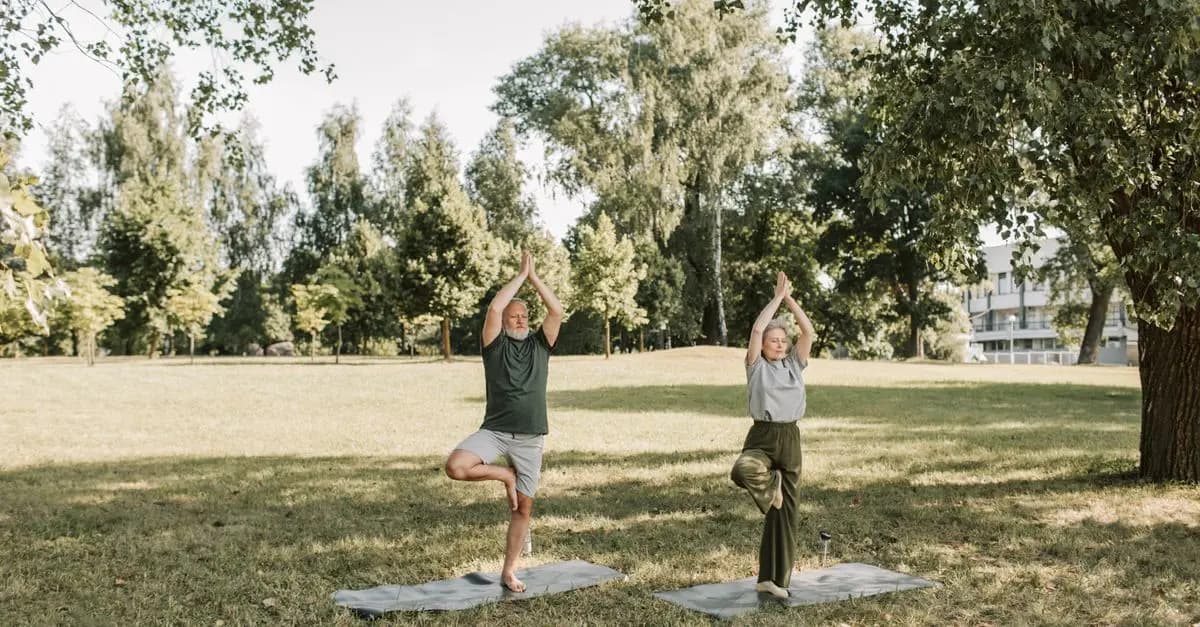
Transforming your leisure time into a mindfulness practice begins with intention. Start by integrating mindful breathing into your daily routine. For instance, during a walk, focus on the sensation of your feet touching the ground, the rhythm of your breath, and the sounds that surround you. Reserve time each week for activities that promote mindfulness, like yoga or tai chi. According to Harvard Health Publishing, yoga not only enhances physical flexibility but also promotes a mindful state through its conscious integration of body movements and breath. Creating a digital detox, where you spend time away from screens, allows for genuine relaxation and gives your mind the space to recharge.
Step-by-Step Guide to Meditation for Beginners
Embarking on a meditation journey might seem daunting, but it doesn’t have to be. Follow these steps to start your meditation practice:
Step 1: Find a Quiet Space
Choose a serene environment where you won't be disturbed.
Step 2: Get Comfortable
Whether sitting on a chair or a cushion, ensure your spine is straight.
Step 3: Focus on Your Breath
Close your eyes gently and pay attention to your breathing — the rise and fall of your chest and abdomen.
Step 4: Let Thoughts Pass
Inevitably, thoughts will enter your mind. Acknowledge them and gently guide your focus back to your breath.
Step 5: Gradually Increase Time
Begin with five minutes daily, gradually increasing to 20 minutes as you become more comfortable.
Comparing Different Types of Meditation Techniques
Choosing the right type of meditation can enhance your leisure time effectively. Here's a comparative overview:
| Technique | Focus | Ideal For | Possible Challenges |
|---|---|---|---|
| Mindfulness Meditation | Present moment awareness | Beginners | Restless thoughts |
| Transcendental Meditation | Repetition of mantras | Stress relief | Needs instruction |
| Guided Visualization | Mental imagery | Creative minds | Distraction |
| Loving-Kindness Meditation | Cultivating compassion | Emotional healing | Emotional intensity |
Quantifiable data on the effects of meditation is compelling. According to the American Psychological Association, over 40% of individuals who meditated regularly reported a significant decrease in stress symptoms. A survey conducted in 2024 by Pew Research Center found that 52% of participants felt renewed mental clarity after integrating meditation into their daily routines. As we dive into more stressful times, this evidence supports the growing necessity for such practices.
Frequently Asked Questions
- How long should I meditate each day?
Consistency is more critical than duration. Begin with 5-10 minutes daily and gradually extend as comfortable.
- Can I practice meditation anytime?
Yes, while mornings are ideal, meditating whenever you find quiet time is beneficial.
- Does meditation require special equipment?
No, meditation primarily involves focus and mindset — no special equipment is needed.
- Is there scientific evidence supporting meditation benefits?
Yes, numerous studies, like those cited by the American Psychological Association, highlight meditation's benefits on mental health.
📺 For further exploration: “Learn Mindfulness and Meditation Techniques”, a comprehensive YouTube tutorial offers practical exercises for beginners. Search on YouTube:
mindfulness meditation techniques tutorial.
Glossary
| Term | Definition |
|---|---|
| Mindfulness | A mental state achieved by focusing awareness on the present moment |
| Meditation | A practice where an individual uses a technique to focus the mind |
| Mantra | A word or sound repeated to aid concentration in meditation |
- [ ] Set a specific time daily for practice.
- [ ] Choose a quiet and comfortable space.
- [ ] Keep track of your meditation sessions.
- [ ] Explore different meditation techniques.
- [ ] Adjust your practice based on personal preferences and progress.