Table of Contents (11 sections)
Understanding Fishing Basics
Fishing can be a relaxing and rewarding hobby. It's an activity you can enjoy solo or with family and friends. The basics start with understanding different fishing types, such as freshwater and saltwater fishing. Freshwater fishing occurs in rivers, lakes, and ponds, while saltwater fishing takes place in the ocean. Knowing which type of water you have access to can guide your equipment choices and technique preferences. According to UFC-Que Choisir, fishing remains one of the top outdoor leisure activities in many countries. By engaging in this hobby, you not only connect with nature, but also experience various health benefits, from reduced stress to improved motor skills.
Getting the Right Gear
Having the right gear is crucial in fishing. Start with a good rod and reel. Beginners often do well with a spinning rod, which is versatile and easy to use. Fishing lines, hooks, and bait are also essential components. According to a recent survey by Outdoor Industry Association in 2024, over 70% of beginners find pre-packaged kits convenient. When choosing bait, consider the type of fish you're targeting and its natural diet. Experts suggest investing in a tackle box to keep your gear organized and easily accessible.
Finding the Perfect Spot
Finding a good fishing spot is key to a successful catch. Look for areas where fish are likely to thrive, such as near plants, docks, or underwater structures. Check local reports and maps that indicate fish populations. According to National Geographic studies, fish tend to gather in spots with abundant food supplies. Time of day matters too; early morning and late afternoon are often the most productive. Additionally, engage with local anglers who can provide insights about the best spots for specific species.
Understanding Basic Techniques
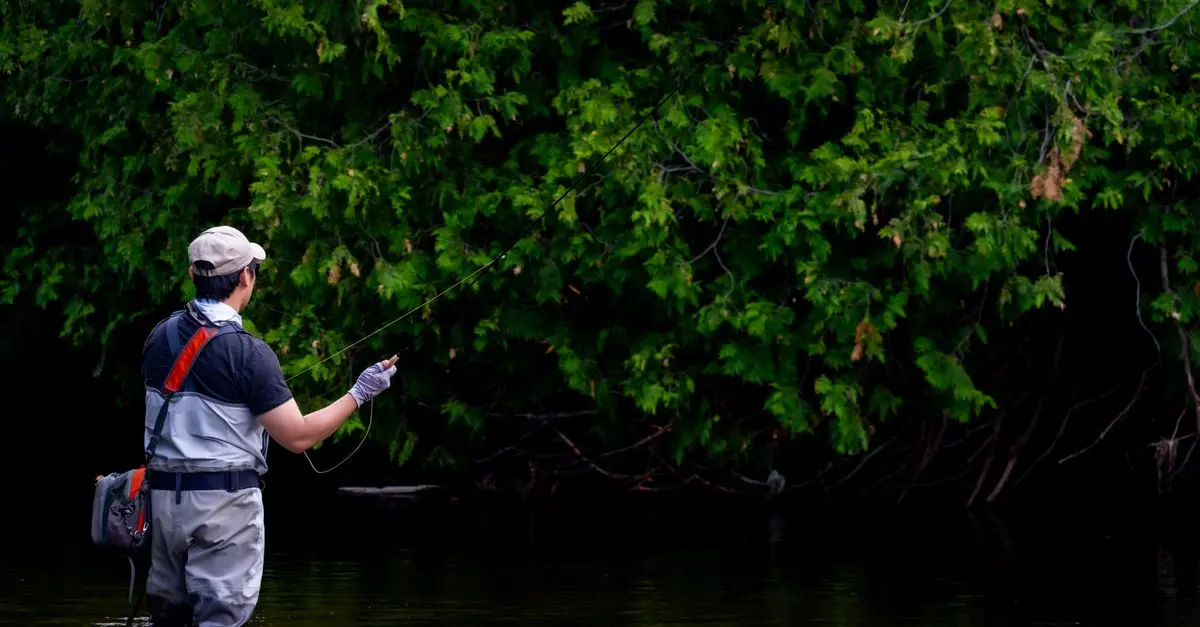
Once you have your gear and location, it's time to learn some basic fishing techniques. Casting and retrieving are essential skills. To cast effectively, use a smooth, continuous motion to send the lure where you want it. Retrieving involves slowly reeling in the line to emulate the movement of prey, attracting the fish. A common mistake beginners make is reeling too fast, causing the lure to move unnaturally. Practice patience and observe how experienced anglers adjust their techniques based on conditions and target species.
Ensuring Safety
Safety on the water is paramount. Always wear a life jacket, especially if you're in a boat. Use sunscreen and protective clothing to guard against sunburn. Check the weather forecast before you head out and avoid fishing in storms or extremely windy conditions. According to U.S. Coast Guard data, most fishing accidents result from poor preparation. Always let someone know your plans and expected return time.
Check Your Local Regulations
Fishing regulations vary by location, and adhering to them is critical. Obtain the necessary fishing licenses and be aware of local fishing seasons and catch limits. These regulations help conserve fish populations and ensure sustainable fishing practices. Department of Fish and Wildlife regularly updates these guidelines, so check their website for the latest information.
Catch and Release
Practicing catch and release is a technique that helps preserve fish populations for future generations. Use barbless hooks to reduce injury, and handle fish with wet hands to protect their slime coat. When releasing, support the fish in the water until it regains strength. This environmentally friendly practice is encouraged by many organizations, including WWF.
Packing Up
Once your fishing day concludes, properly clean and store your equipment to prolong its lifespan. Clean your rod and reel, removing any salt or debris. Inspect your line for any signs of wear or damage. Complete any necessary repairs before your next outing. Storing gear in a cool, dry place prevents corrosion and damage.
Checklist
- [x] Get a suitable fishing rod and reel
- [x] Pack essential gear: lines, hooks, and bait
- [x] Choose a promising fishing spot
- [x] Learn basic casting techniques
- [x] Ensure personal safety and check the weather
- [x] Familiarize yourself with local fishing regulations
Glossary
| Terme | Définition |
|---|---|
| Casting | The act of throwing the fishing line into the water |
| Reeling | Retrieving the fishing line back on the reel |
| Tackle | The necessary equipment used for fishing, excluding the rod |
> 🧠 Quiz rapide: What's the optimal time for fishing?
> - A) Noon
> - B) Early morning
> - C) Midnight
> Réponse: B — Fish are usually more active early in the morning.
📺 Pour aller plus loin: Master Fishing Techniques, a detailed analysis of casting techniques. Recherchez sur YouTube :