Table of Contents (10 sections)
Introduction
Virtual reality gaming has taken the world by storm, offering players immersive experiences that were previously unimaginable. As we dive into this technological evolution, we explore how virtual reality gaming is revolutionizing the industry and what it means for gamers worldwide.
What is Virtual Reality Gaming?
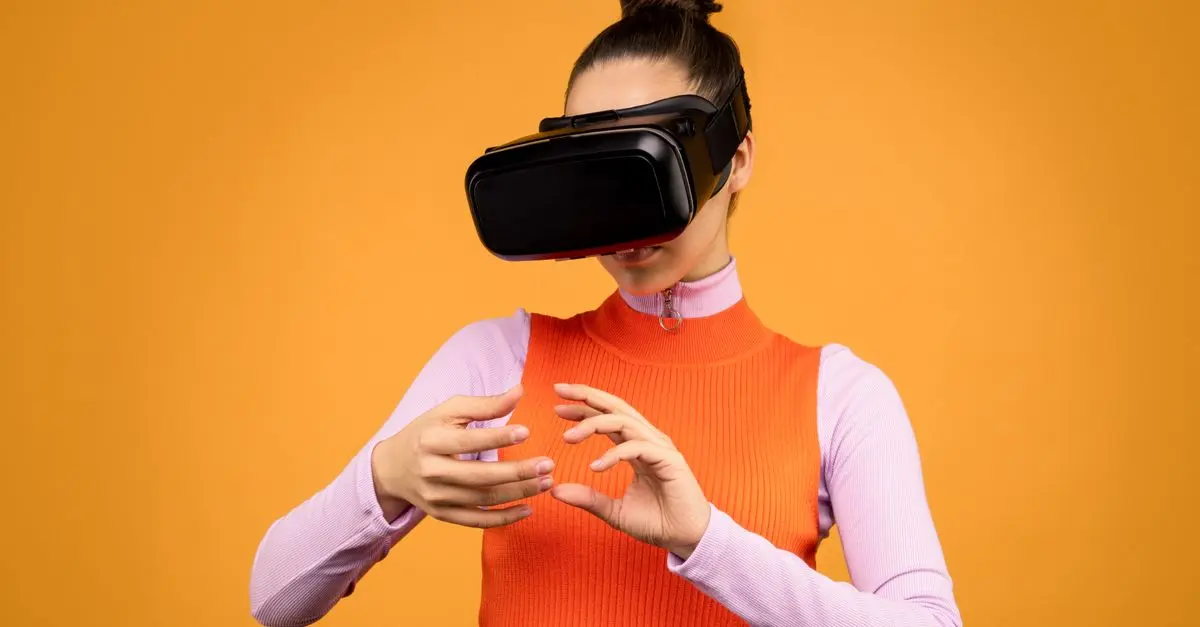
Virtual reality (VR) gaming involves the use of a headset that immerses players in a simulated environment, offering a 360-degree view and interactive experiences. This technology has evolved from mere screen-based gaming into a sensory experience that truly engages players. According to Statista, the virtual reality market is expected to reach $70 billion by 2026, showcasing its rapid growth and significant impact.
VR gaming offers unparalleled realism and an interactive environment that captivates players. Games are designed to be as engaging as possible, using motion sensors to track a player's movements and replicate them in the virtual environment. This level of interaction is what sets VR apart from traditional gaming experiences.
Getting Started with VR Gaming
Embarking on a VR gaming adventure can seem daunting, but it's easier than you might think. Here's a basic guide to get you started:
- Choose a VR headset: Popular options include the Oculus Quest and HTC Vive. Each has its own strengths, such as price range, graphics quality, and available games.
- Set up your play area: Ensure you have enough space to move around safely, as motion tracking requires some freedom of movement.
- Select and install games: Platforms like SteamVR and the Oculus Store offer a plethora of options to explore.
Once your setup is complete, you're ready to immerse yourself in the digital worlds awaiting exploration.
VR Gaming vs. Traditional Gaming
The debate between VR gaming and traditional gaming comes down to personal preference and the desired experience. Here’s a comparative look at both:
| Feature | Virtual Reality Gaming | Traditional Gaming | Personal Preference |
|---|---|---|---|
| Immersion | Full immersion | Screen-based | Depends on user |
| Physical Activity | High (movement needed) | Low (controller use) | Physical vs. couch |
| Cost | Moderate to High | Low to Moderate | Budget consideration |
| Accessibility | Requires VR equipment | Console/PC | Equipment required |
Current Trends in VR Gaming
Currently, VR gaming is experiencing significant advancements and trends that are shaping its future:
- Increased social interactions: Platforms like VRChat enable social spaces that replicate real-world interactions.
- Improved accessibility: Efforts are underway to reduce costs and increase accessibility, with standalone headsets becoming more affordable.
- Expanded game genres: From action-packed adventures to serene explorations, VR gaming is diversifying into new genres catering to a broad audience.
According to ResearchAndMarkets.com, the VR gaming industry has seen a steady annual growth rate of over 25% in recent years, reflecting its expanding influence.
FAQs About Virtual Reality Gaming
- Q: Is VR gaming suitable for children?
A: Most VR headsets and games are designed for ages 13 and up due to the immersive effects and potential for motion sickness.
- Q: What are the health implications of VR gaming?
A: Prolonged use can cause motion sickness, eye strain, and fatigue. Take regular breaks to mitigate these effects.
- Q: How does VR gaming enhance learning?
A: It offers immersive scenarios that can improve retention and understanding, especially in educational and training simulations.
- Q: Are there wireless VR options available?
A: Yes, options like the Oculus Quest 2 offer wireless capabilities with high-quality experiences.
Conclusion
As virtual reality gaming continues to evolve, it enriches gaming in ways that were once thought impossible. Embracing this technology promises experiences that captivate and engage, making it a compelling choice for future gaming endeavors.
Glossary
| Term | Definition |
|---|---|
| Virtual Reality (VR) | A technology that immerses users in a simulated environment using a headset. |
| Motion Tracking | A technology that accurately captures and replicates users' movements in VR. |
| Oculus Quest | A popular standalone VR headset known for its wireless capabilities. |
📺 For more insights on virtual reality gaming, search on YouTube for: virtual reality gaming tutorial.
📺 For deeper insights: [Exploring Virtual Reality: An In-depth Review], a comprehensive look at trends and impacts of VR gaming. Search on YouTube:
VR gaming trends 2026.
🧠 Quiz rapide: What makes VR gaming unique?
- A) Screen-based experience
- B) Real-world interactions
- C) Immersive environments
Réponse : C — VR provides an immersive environment for users.