Table of Contents (11 sections)
Understanding Bird Watching
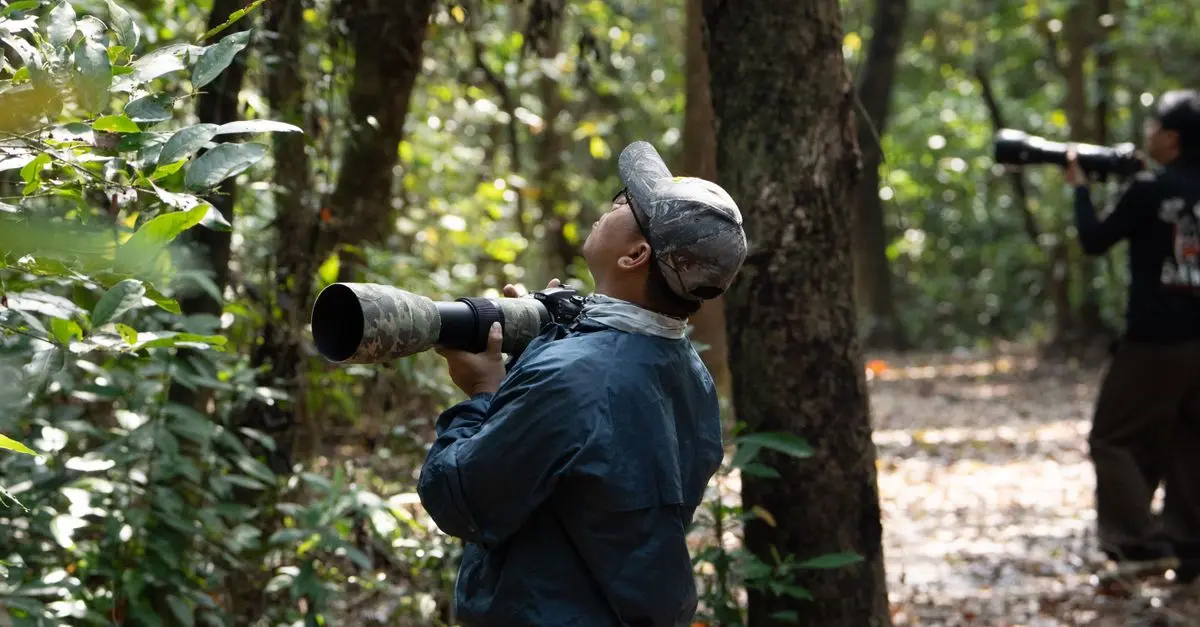
Bird watching, also known as birding, is the observation of birds as a recreational activity. This hobby has been embraced by millions worldwide. Bird watching can be as simple as observing birds in your backyard or as involved as traveling to exotic locales to see rare species. According to The Audubon Society, bird watching enhances your knowledge of nature and boosts mental well-being.
💡 Avis d'expert: Engaging in bird watching regularly can improve your awareness of environmental changes and foster a deeper appreciation for biodiversity.
Getting the Right Equipment
To start bird watching, the right equipment is essential. A good pair of binoculars is a must-have. Brands like Nikon and Bushnell offer high-quality options that cater to beginners. When choosing binoculars, look for features like magnification and lens diameter that suit your budget and comfort.
Beyond binoculars, acquiring a reliable bird field guide is essential. Guides such as Sibley's or National Geographic provide detailed illustrations and information about the birds in your region. Don't forget to carry a notebook for jotting down observations.
Choosing the Perfect Spot
Finding the right spot is key to successful bird watching. Beginners should start in local parks or nearby nature reserves where birds are abundant. eBird, a project by the Cornell Lab of Ornithology, helps track birding hotspots worldwide.
Morning is often the best time for birdwatching as birds are most active during these hours. Keeping an eye on bird migration patterns can also enhance your bird watching experience.
Learning Bird Identification
Identifying birds may seem daunting initially, but with practice and patience, you'll excel. Start by observing features like size, color, and song. Apps like Merlin Bird ID provide instant identification assistance using just your smartphone.
💡 Avis d'expert: Allocate time each week to one type of bird family to accelerate your learning curve. This focused approach leads to quicker identification skills.
Keeping a Bird Journal
Documenting your bird watching experiences helps track your progress and solidifies your identification skills. Note down the species observed, location, behavior, and time of day. Maintaining a digital or physical scrapbook can also enhance this experience.
Respecting Nature
Respect is crucial while bird watching. Maintain a safe distance from birds and their nests. Avoid loud noises that could disturb them. Remember, bird watching is more about observing and less about interaction.
- Plan Ahead: Research the species in the area you’ll be visiting.
- Leave No Trace: Carry out all trash and do not disturb habitats.
Joining Bird Watching Communities
Connecting with other bird enthusiasts can provide support and enhance your knowledge. Consider joining groups like the American Birding Association or regional clubs.
Online forums and social media communities also provide platforms for exchanging tips and sharing sightings, fostering a sense of camaraderie among bird watchers.
Checklist for Bird Watching
- [ ] Obtain quality binoculars and a field guide.
- [ ] Find a nearby bird watching spot.
- [ ] Learn to identify basic bird characteristics.
- [ ] Keep a detailed bird journal.
- [ ] Respect wildlife and habitats.
- [ ] Join a bird watching club or community.
Q1: What is the best time of year to start bird watching?
A1: Spring and Fall are ideal as many birds are migrating, offering an opportunity to see different species.
Q2: Do I need expensive equipment to start bird watching?
A2: No, you can begin with basic equipment like a mid-range pair of binoculars and an entry-level field guide.
Q3: How can I improve my bird identification skills?
A3: Practice regularly and use apps like Merlin Bird ID for assistance. Joining a local birding community can also be beneficial.
Q4: Are there resources for bird watching sites?
A4: Yes, websites like eBird, maintained by the Cornell Lab of Ornithology, are great resources for finding birding hotspots.
Glossary
| Terme | Définition |
|---|---|
| Binoculars | Optical devices using lenses and prisms to magnify distant objects, essential for bird watching |
| Field Guide | Books that help in the identification of birds, often providing illustrations or photographs |
| Migration | The seasonal movement of birds between breeding and wintering grounds |
Beginner bird watching tips.
🧠 Quiz rapide : What is the primary benefit of bird watching?
- A) Physical exercise
- B) Increased environmental awareness
- C) Social gatherings
Réponse : B — Bird watching significantly raises awareness about natural environments and conservation efforts.