Table of Contents (14 sections)
Embarking on an astronomical journey is an exhilarating adventure into the cosmos. With countless stars, planets, and galaxies filling the night sky, astronomy offers a deeply rewarding hobby. From telescopic wonders to naked-eye marvels, here's how beginners can dive into stargazing effectively.
1. Understanding the Basics
Astronomy is the scientific study of celestial objects, space, and the universe as a whole. It's crucial for beginners to grasp the foundational concepts of astronomy. Understanding basic terminologies and celestial phenomena helps demystify the night sky. Consider starting with the Big Dipper and Orion constellations, as these are prominent and easily recognizable.
Learning the phases of the moon and the positions of the planets enhances the stargazing experience significantly. According to NASA, the moon's phases influence visibility conditions. Begin your exploration during a new moon for darker skies.
2. Selecting the Right Equipment
Stargazing does not require expensive gear. A pair of binoculars can enhance your experience, offering a magnified view w, which is perfect for observing features such as the craters on the moon or the moons of Jupiter. When ready to upgrade, consider a telescope.
Key features to look for include aperture size and portability. Brands like Celestron and Orion offer beginner-friendly telescopes. Avoid purchasing top models without mastering the basics; understanding basic navigation and star charts is pivotal.
3. Finding a Suitable Location
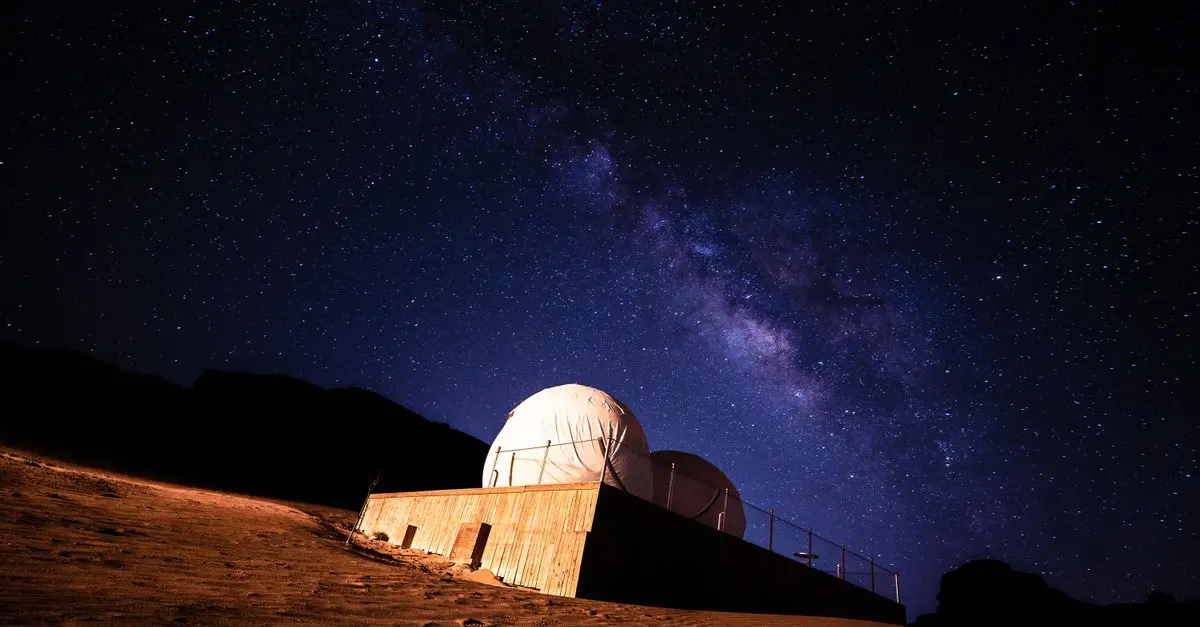
Light pollution is a significant impediment to stargazing. Choose locations with minimal artificial light, such as national parks, campsites, or rural areas. According to the International Dark-Sky Association, certified dark-sky parks provide exceptional visibility.
Utilize apps like Dark Sky Finder to locate appropriate sites. Always prioritize safety and check weather forecasts to avoid overcast nights.
4. Mastering the Techniques
Once you've gathered your equipment, learning how to spot celestial objects is critical. Familiarize yourself with star charts and mobile apps like SkySafari. Apps provide real-time data on celestial alignments, making it easier to identify constellations and planets.
Practice using your equipment efficiently. For telescopes, start by aligning the finder scope with your desired object, ensure it's locked, and then use the eyepiece for detailed observation.
5. Keeping a Journal
Logging observations can significantly enhance your learning curve. Note dates, times, locations, weather conditions, and celestial events. A detailed journal aids in recognizing patterns and improvements over time.
Tracking your observations creates a personal catalog of discoveries, reinforcing memory and expanding your knowledge base.
6. Knowing When to Observe
Timing plays a role in successful stargazing. Meteor showers, eclipses, and planetary positions dictate the best times for observations. Keep track of events using resources like the Royal Astronomical Society calendars.
Plan observations around significant celestial events for a more dynamic experience.
7. Engaging with Communities
Connecting with other astronomers can provide insights and enhance your enjoyment. Consider joining local astronomy clubs or online forums like the Sky & Telescope community.
Collaborative learning fosters skill development, resource sharing, and greater engagement.
8. Checklist Before You Begin
- [ ] Familiarize yourself with constellations.
- [ ] Use a star chart or app for direction.
- [ ] Choose a location free from light pollution.
- [ ] Check weather conditions.
- [ ] Bring necessary tools (binoculars, telescope, app).
- [ ] Keep a journal for observations.
📺 Resource Video
📺 For a more visual experience: Stargazing for Beginners: The Ultimate Guide, a comprehensive walkthrough on finding and identifying celestial objects. Search on YouTube: "stargazing beginners guide 2026"
🧠 Quiz rapide
> 🧠 Quiz rapide : What's the best time for stargazing?
> - A) Full Moon
> - B) New Moon
> - C) Cloudy Night
> Réponse : B — New moons provide darker skies for better visibility.
Glossary
| Terme | Définition |
|---|---|
| Telescope | A device used to observe distant objects by collecting electromagnetic radiation. |
| Constellation | A group of stars forming a recognizable pattern traditionally named after its apparent form. |
| Light Pollution | Brightening of the night sky caused by streetlights and other man-made sources. |
Whether you're aiming to view a specific celestial event or spend a quiet night dreaming under the stars, understanding the basics of astronomy enhances the experience. Embrace these steps, and you'll soon navigate the night sky with ease.
Call To Action
Unlock the universe's secrets tonight! Share your stargazing journey with a friend or online community. Your next great discovery awaits.